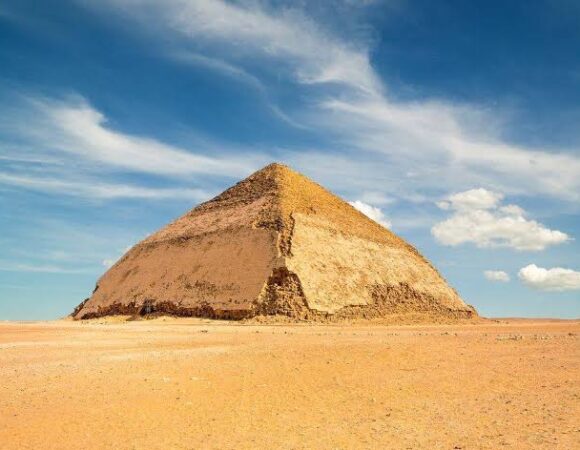
A two-day White Desert itinerary from Cairo is the shortest practical way to experience the classic Western Desert circuit without reducing the journey to a rushed day trip. The trip normally includes an early pickup, a four-to-five-hour road transfer to Bahariya Oasis, a change to a 4×4, visits to the Black Desert, Crystal Mountain and Agabat Valley, sunset and overnight camping in the White Desert, then morning exploration and return to Cairo on day two.
This guide turns that outline into a realistic planning schedule. Times remain approximate because Cairo traffic, road stops, permits, weather, group pace and the selected camp location can change the day. If you are comparing a 2-day White Desert tour from Cairo with camping, use this itinerary together with the White Desert Egypt Travel Guide for the wider destination context.
Two-day itinerary at a glance
Day one
- 7:00–8:00 AM: pickup from Cairo or Giza;
- four-to-five-hour drive to Bahariya Oasis;
- meet the local desert team and change to a 4×4;
- Black Desert stop;
- lunch near the natural sulfur spring at El Hez;
- Crystal Mountain;
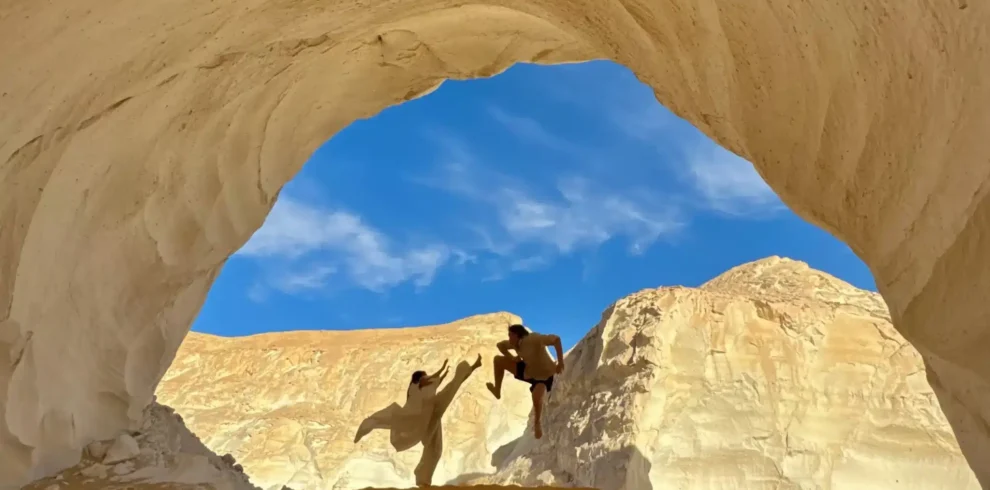
- Agabat Valley and Moon Cave;
- White Desert formations and Valley of Tents;
- sunset, dinner and overnight camp.
Day two
- sunrise or quiet early morning at camp;
- breakfast;
- White Desert formations including Mushroom Rock and Chicken Rock;
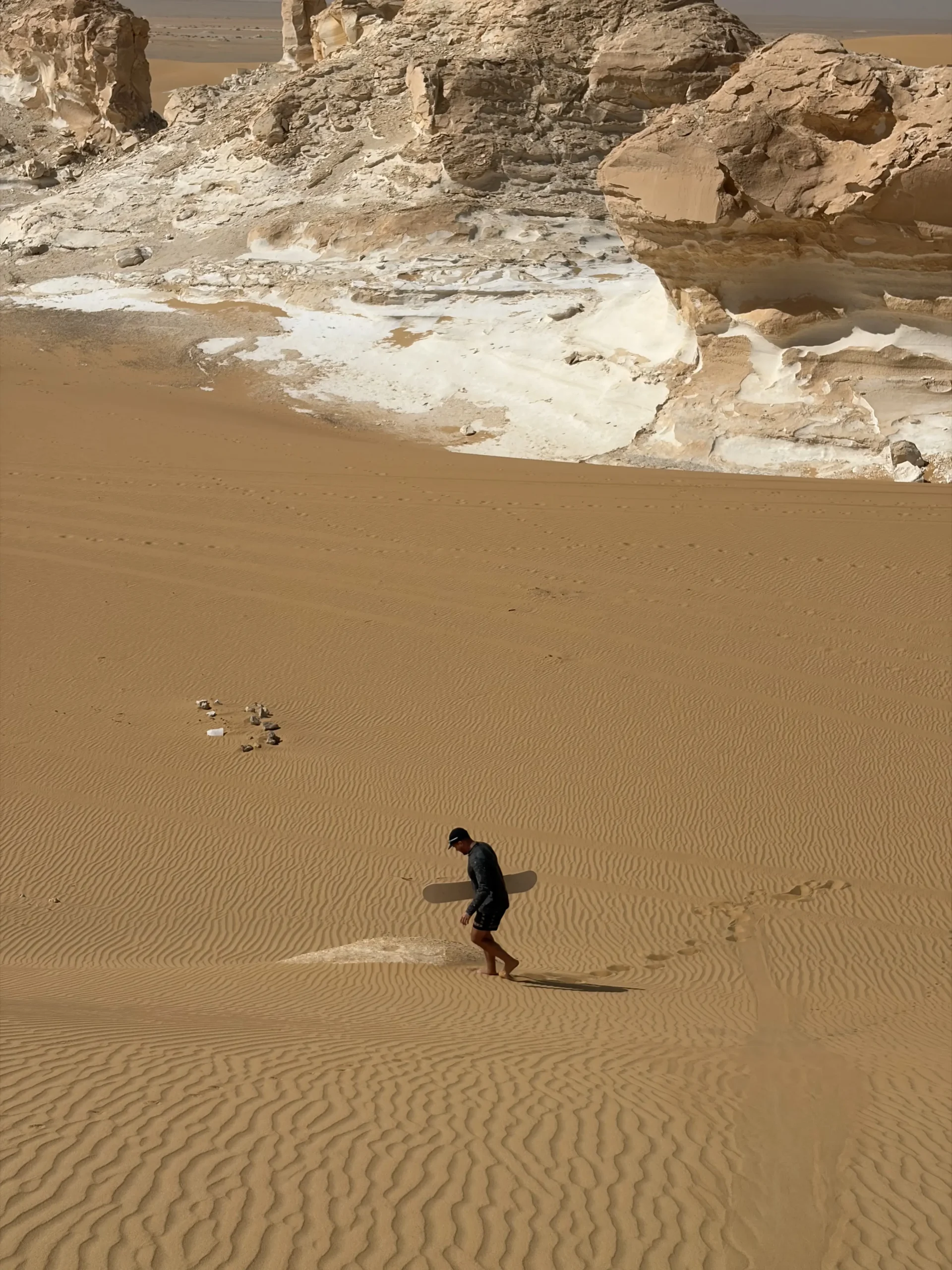
- optional sandboarding when route and conditions allow;
- return to Bahariya;
- change to the road vehicle;
- drive to Cairo or Giza;
- expected arrival around 5:00–6:00 PM, subject to conditions.
This structure reflects Elzaghandi Travel’s published 2 Days / 1 Night White Desert Adventure. It is a planning framework, not a promise that every stop will occur at an exact minute.
Is two days enough?
Two days is enough for the classic highlights and one desert night. It is best for travelers who:
- have limited time in Egypt;
- want the White and Black Deserts in one trip;
- accept long transfers on both days;
- are comfortable with one camping night;
- prioritize the famous formations over deeper remote exploration.
It is not the ideal duration for travelers who want two sunsets, extensive photography time, remote dunes or Djara Cave. Those goals are better served by the three-day option.
Before day one: essential preparation
Send the operator your exact pickup location, passport details requested for permits, dietary requirements and a working WhatsApp number. Confirm the route, inclusions, camp setup, total quote and return window in writing.
Pack a small overnight bag rather than opening a large suitcase at every stop. The full list is in What to Pack for the White Desert Egypt.
Avoid scheduling a flight immediately after the expected day-two return. The itinerary includes remote travel and an estimated arrival cannot function like an airport-transfer guarantee.
Day 1: Cairo to the desert camp
7:00–8:00 AM — Pickup from Cairo or Giza
The live itinerary uses a morning pickup window. Your exact time depends on the hotel and whether other travelers are collected.
Be ready before the driver arrives. Eat breakfast or ask whether a road stop is planned. Keep water, medication, sunglasses, phone and a warm layer accessible.
Pickup from a central Cairo hotel is not operationally identical to the airport, New Cairo or a distant Giza address. Confirm any supplement or earlier time before booking.
Morning — Drive to Bahariya Oasis
The road journey normally takes four to five hours. Egypt’s official tourism portal similarly describes Bahariya as approximately five hours from Cairo.
The landscape gradually changes as the city gives way to open desert. A rest stop may be made, but facilities vary. Travelers prone to motion sickness should prepare for both the road and later off-road sections.
For a full transport breakdown, read How to Get to the White Desert from Cairo.
Around midday — Arrival and vehicle change in Bahariya
Bahariya is the gateway, not the final destination. The group meets the local team, organizes luggage and changes to a 4×4. For more background on the oasis, see the Bahariya Oasis Egypt Travel Guide.
The 4×4 carries passengers, water, food and camping equipment. Ask whether large suitcases can be stored in Bahariya while you take a smaller bag.
Egypt’s official tourism portal recommends experienced licensed guides who know the terrain and appropriate 4×4 transport. It also tells travelers to confirm permits and logistics with an authorized operator.
Early afternoon — Black Desert
The Black Desert is normally the first major landscape. Dark material covers many hills, creating a contrast with the pale scenery later in the journey. For a deeper explanation of this stop, read the Black Desert Egypt Travel Guide.
A short viewpoint walk may be offered. Wear stable shoes and follow the guide. Do not let a desire for photographs delay the group so much that later stops or safe camp setup are compromised.
Lunch — El Hez and the natural spring
The current itinerary includes lunch beside a natural sulfur spring at El Hez, with swimming possible when access and conditions allow.
If you intend to swim, carry a swimsuit, compact towel and footwear that can get wet. Swimming is an optional possibility, not a guaranteed fixed-duration activity.
Tell the operator about allergies or vegetarian requirements before the team buys supplies. Remote meal arrangements cannot be changed as easily as restaurant orders in Cairo.
Afternoon — Crystal Mountain
Crystal Mountain is a short geological stop. Its name can create unrealistic expectations of a large climbable mountain or loose crystals for collection. Treat it as a fragile natural formation.
Do not remove material or climb sensitive areas. Egypt’s official tourism site identifies Crystal Mountain as a notable desert landmark and describes its visible arch and reflective mineral features.
Mid-to-late afternoon — Agabat Valley
Agabat Valley is one of the most dramatic parts of the route, with white cliffs, broad views and soft sand. The road between stops is part of the experience.
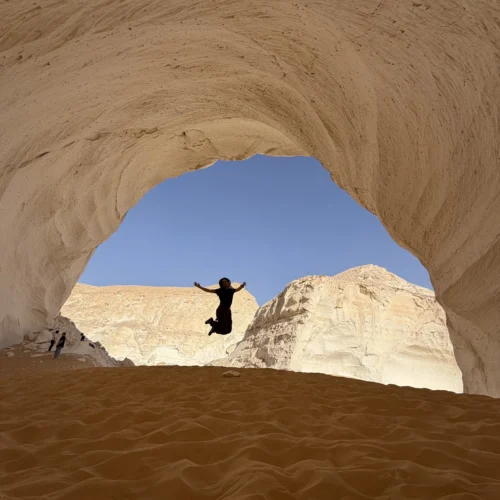
The two-day itinerary also lists Moon Cave in the Agabat area. Access and time depend on the live route. A guide may change the sequence to manage daylight or track conditions.
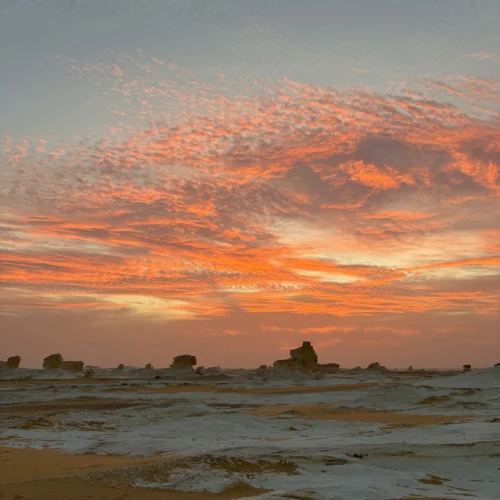
Late afternoon — Entering the White Desert
As the group approaches the White Desert, the scenery shifts toward pale chalk formations. The current route includes the Valley of Tents before camp.
This is the point where travelers often want to stop repeatedly. The driver and guide must balance photography with reaching an appropriate camping area before dark.
Sunset — Camp setup
The team selects a suitable location and prepares the camp. The exact site is not necessarily fixed months in advance; wind, route and protected-area rules influence the decision.
Use the remaining light to organize your bag, identify the camp layout and ask where it is safe to walk. Photograph sunset without climbing formations.
Evening — Dinner, tea and stars
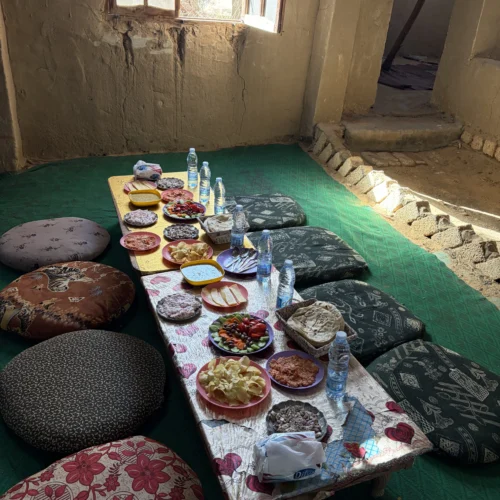
The published itinerary includes a traditional Bedouin dinner, tea around the campfire and overnight camping. Elzaghandi Travel lists water, soft drinks and juice as included.
Expect a mobile desert camp rather than hotel facilities. Ask in advance about the tent, toilet arrangement and washing water. The White Desert Camping Guide covers those details.
Mobile reception is limited. The FCDO specifically notes limited phone signal and poor medical facilities in these Western Desert areas. Download essential information before leaving Bahariya and follow the official guide’s instructions.
Sleeping equipment
The live two-day tour lists:
- personal mattress;
- pillow;
- sleeping bag;
- blanket;
- full camping equipment.
Bring suitable sleep clothing. Desert nights can feel cold even when Cairo is warm. If you sleep cold, request an additional blanket before departure.
Day 2: White Desert morning and return
Sunrise and early morning
Wake-up time depends on sunrise, season and the group. Morning light reveals textures that are less visible at midday.
Stay close to camp until the guide explains the schedule. Do not walk alone among similar-looking formations. Low light and open terrain can make distance difficult to judge.
Breakfast
Breakfast is included in the published itinerary. Pack personal medication where it remains accessible and communicate dietary needs beforehand.
Use breakfast time to prepare for departure. Keep waste controlled and make sure nothing is left at the site.
Mushroom Rock and Chicken Rock
The day continues to the famous formations commonly called Mushroom Rock and Chicken Rock. These are recognizable highlights but should not be treated as climbing structures.
Photography is best done without touching or rearranging the landscape. The wider White Desert is more important than one angle of one named formation.
Optional sandboarding
Sandboarding is listed as an optional activity. Whether it occurs depends on the selected dunes, time, equipment and conditions.
Wear closed shoes and follow instructions. Sandboarding should not be represented as guaranteed if the live route makes it impractical.
Return to Bahariya
After the final stops, the group drives back toward Bahariya. This stage still involves off-road time. In the oasis, travelers change from the 4×4 to the road-transfer vehicle.
Use available facilities before the long drive to Cairo. Confirm that all luggage has moved between vehicles.
Afternoon — Bahariya to Cairo or Giza
The return road drive takes another four to five hours in normal planning. The live itinerary estimates arrival around 5:00–6:00 PM.
Traffic or route delays can move that time. Keep an evening buffer and avoid a same-day international flight.
What is included?
The current tour page lists Cairo and Giza transport, 4×4 safari vehicle, three meals, drinks, permits, park tickets and full camping equipment. Optional tips and alcoholic drinks are excluded.
For pricing logic and quotation checks, use White Desert Egypt Tour Cost.
What is not included?
The published exclusions are optional team tips and alcoholic drinks. Personal insurance, visa, flights, Cairo hotels, medical expenses and personal purchases are also normally outside a desert-tour quote unless stated.
Never infer inclusions from the trip title. Request written confirmation for your date.
Can you add more places to this itinerary?
Customization is possible, but every addition consumes daylight or rest time. A two-day trip already includes substantial transport.
Bahariya attractions
A brief oasis stop may fit, but a full Bahariya sightseeing program usually requires more time or an extra night. If springs, villages and cultural sites are a priority, consider a combined oasis itinerary.
Djara Cave
Djara Cave should not be added casually to the classic two-day schedule. It requires a specialized longer route. Choose the dedicated 3 Days / 2 Nights White Desert & Djara Cave Adventure.
More photography time
A private trip can sometimes allow more flexibility, but sunset and safe camp setup remain fixed operational priorities. Serious photographers should consider three days.
Hotel instead of camping
A hotel-based arrangement changes the route and removes the central overnight experience. Discuss the goal with the operator; do not assume the standard itinerary can simply replace camp with a distant hotel without losing stops.
Who should choose this itinerary?
The two-day route is suitable for:
- first-time White Desert visitors;
- couples and friends;
- solo travelers joining an appropriate departure;
- families comfortable with road time and basic camping;
- travelers with only one night available;
- visitors who want the main landscapes in one circuit.
It may not suit:
- travelers unable to tolerate long drives;
- anyone expecting hotel bathrooms and electricity;
- people who need constant mobile signal;
- visitors seeking Djara Cave;
- photographers wanting a slow expedition;
- travelers with a flight immediately after return.
Families should read White Desert Egypt with Kids before booking.
Seasonal adjustments
Cooler months
Daytime exploration is generally more comfortable, while nights can be cold. Bring layers and confirm bedding.
Warmer months
Heat management becomes central. Departure timing, shade, water and route may need adjustment. Do not assume every advertised stop operates unchanged in extreme conditions.
Wind
Wind can affect visibility, comfort, photography and camp selection. The guide may move the camp or shorten exposed stops.
Read Best Time to Visit the White Desert Egypt for a seasonal decision guide.
Safety and permits
The FCDO’s current regional advice says tourists entering Bahariya, Farafra, the White Desert and Black Desert must apply for permits in advance and use an official guide. It also notes limited phone reception and poor medical facilities.
Elzaghandi Travel lists permits and park tickets within the tour inclusions. Provide required identity details early and follow the guide.
The current FCDO advice distinguishes these tourist areas from other parts of the Western Desert under broader warnings, but advice can change. Check official Egypt travel advice and your insurance before departure.
The dedicated article Is the White Desert Egypt Safe? should be reviewed close to travel.
Responsible behavior
A two-day schedule visits fragile landscapes quickly. Speed is not an excuse for damage.
- do not climb chalk formations;
- do not collect crystals or fossils;
- take all waste out;
- keep noise low;
- do not feed wildlife;
- follow authorized tracks;
- avoid photographing checkpoints;
- respect local guides and camp practices.
Egypt’s official tourism portal recommends licensed guides who know the terrain and can arrange the required equipment and logistics.
Photography plan
Day-one afternoon
Agabat and the approach to the White Desert offer layered landscapes. Keep camera equipment protected from dust.
Sunset
Use the formations for foreground depth without climbing them. Decide whether your priority is the sun itself or warm light on the chalk.
Night
A tripod and manual exposure help. Moon phase changes the result: bright moonlight illuminates the formations, while darker skies reveal fainter stars.
Morning
Low-angle light works well around the camp and classic formations. Pack equipment before departure so photography does not delay the return.
See White Desert Stargazing and Photography.
Packing for exactly one night
Carry:
- passport or requested identification;
- breathable daytime clothes;
- warm evening layers;
- closed shoes;
- hat, sunglasses and sunscreen;
- scarf or buff;
- personal medication;
- water bottle;
- headlamp;
- power bank;
- tissues and hygiene items;
- swimsuit and compact towel if using the spring;
- camera protection;
- small waste bags.
The operator supplies the listed camp equipment, but your personal clothing and medication remain your responsibility.
How to avoid itinerary disappointment
Expecting exact times
Use time windows. Remote travel cannot be scheduled to the minute.
Expecting every photo stop
The guide balances light, route and safe camp arrival. Ask which landmarks are priorities.
Assuming a day trip
One night is essential to the standard experience. A same-day Cairo return is not equivalent.
Adding Djara Cave
Choose a longer dedicated route.
Booking a flight after return
Keep a buffer.
Ignoring nighttime temperature
Pack layers even when Cairo feels warm.
Not declaring dietary needs
Tell the team before supplies are purchased.
Comparing only price
Check vehicles, route, meals, permits and equipment.
Private versus shared itinerary
A private tour offers more control over breaks, photography and family pace. A shared trip can reduce cost but requires cooperation with the group.
The named route should remain clear in either format. Ask about maximum group size, luggage, tents and pickup process.
A realistic timing table
This is an operational guide, not a contractual timetable.
How to request this trip
Send:
- dates;
- adults and children;
- exact pickup address;
- private or shared preference;
- dietary needs;
- tent preference;
- luggage;
- medical or mobility information;
- onward travel plans.
Ask the operator to confirm the route, inclusions, total price, deposit, cancellation terms and expected return. You can also review the live 2 Days / 1 Night White Desert Adventure before requesting your quote.
Request the two-day itinerary and quote via WhatsApp.
Related itinerary guides: Compare this route with the 2-day vs 3-day White Desert guide, review the White Desert tour cost factors, and see the 3-day White Desert and Djara itinerary if you want a longer expedition.
Frequently asked questions
Can the White Desert be visited in two days from Cairo?
Yes. Two days and one night is the standard minimum complete route, including sunset and camping.
How much time is spent driving?
The Cairo–Bahariya transfer takes about four to five hours each way, plus off-road driving between desert stops.
Where do travelers change to a 4×4?
Normally in Bahariya Oasis.
Is the Black Desert included?
It is included in Elzaghandi Travel’s published two-day itinerary.
Are Crystal Mountain and Agabat included?
Yes, along with Moon Cave, subject to the live route and conditions.
Is camping equipment provided?
The current tour lists a personal mattress, pillow, sleeping bag, blanket and full equipment.
Are toilets available?
Do not assume a fixed bathroom. Confirm the mobile camp arrangement before booking.
Is sandboarding guaranteed?
It is optional and depends on the route and conditions.
What time does the trip return?
The published estimate is around 5:00–6:00 PM on day two, but delays are possible.
Can I fly the same evening?
It is not advisable because the return time is not guaranteed.
Is Djara Cave included?
No. It requires a specialized longer itinerary.
What does the trip cost?
The quote depends on group size, format, pickup and customization. Read the tour-cost guide.
Where can I learn about the whole destination?
Start with the White Desert Egypt Travel Guide.
Sources and review date
This itinerary guide uses Elzaghandi Travel’s live two-day tour and:
- Experience Egypt: Natural Wonders around Bahariya
- Experience Egypt: Desert Excursions
- UK FCDO: Egypt regional risks
Last reviewed: 7 September 2026. The White Desert is open for organized visits and overnight camping; confirm your exact pickup, permits, route and camp arrangements before paying.
What to do if the schedule changes
A route change does not automatically mean the trip has failed. The important question is why it changed and whether the replacement preserves the core experience.
If Cairo traffic delays arrival, the guide may shorten a minor stop to protect sunset and camp setup. If strong wind affects the planned camp, the team may select a more sheltered location. If official access changes, a named formation or track may be replaced. Safety, permits and sufficient daylight take priority over reproducing an old timetable exactly.
Ask the operator to distinguish between:
- a small sequence change;
- a weather-related camp move;
- removal of an optional activity;
- a major route change;
- cancellation.
The commercial terms should explain what happens in the last two cases.
After returning to Cairo
Plan a quiet evening, shower and normal meal rather than another tightly timed tour. Charge equipment, back up photographs and check clothing and luggage for sand before repacking.
If you experienced a material difference between the written itinerary and delivered service, discuss it directly and specifically. Separate uncontrollable timing changes from missing paid inclusions.
For travelers continuing elsewhere in Egypt, keep the following morning flexible when possible. One night in Cairo after the desert creates a sensible buffer and makes the two-day itinerary easier to enjoy without watching the clock.