Last reviewed: 17 July 2026
The White Desert can be visited responsibly, but no operator should describe any remote desert journey as “completely safe.” The practical answer depends on current government advice, permits, the route, the operator, the vehicle, weather, the traveler’s health, and whether the trip remains inside authorized areas.
For most visitors, the correct format is a pre-arranged trip with a professionally licensed company, an official local guide, the required permits, and a suitable 4×4 for the off-road section. Independent off-road driving is not the normal or recommended way to explore the White Desert.
Official advice is not identical for every nationality. At the time of this review, UK guidance specifically lists the White Desert, Black Desert, Bahariya and Farafra among the exceptions to its wider “all but essential travel” warning for much of the Western Desert, while still requiring advance permits and an official guide. US guidance is more cautious: it advises against Western Desert travel unless using a professionally licensed tour company. Australian guidance places the Giza–Farafra road, Bahariya, Black Desert, White Desert and Farafra under “exercise a high degree of caution.”
That difference matters. Read the advisory issued for your nationality, check that your insurance covers the exact route and activities, and ask the operator precise questions before paying.
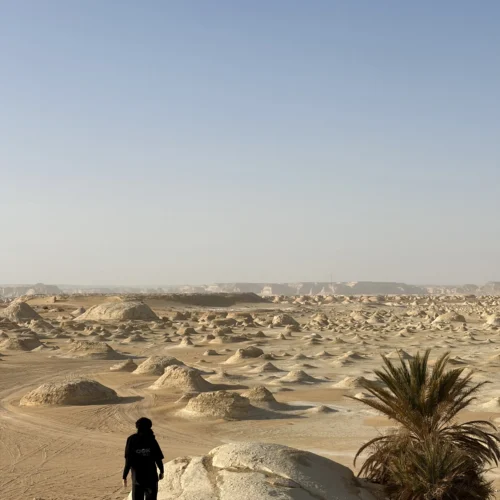
Quick answer: is the White Desert Egypt safe?
A properly organized White Desert tour reduces several major risks because the guide handles navigation, permits, checkpoints, campsite selection, supplies, and changes in local access. However, the area remains remote. Mobile reception can be limited, medical facilities are basic or distant, off-road recovery takes time, and official restrictions can change.
A responsible trip should include:
- a professionally licensed operator and official guide;
- permits arranged before entering restricted desert areas;
- an appropriate and maintained 4×4;
- a route communicated to the operating team;
- sufficient drinking water, food, fuel and basic recovery equipment;
- first-aid supplies and a plan for illness or vehicle problems;
- compliance with checkpoints and local authority instructions;
- realistic timing that avoids unnecessary night driving;
- weather and temperature planning;
- clear information from travelers about medical and mobility needs.
Safety is therefore a system, not a slogan. A good photograph, a low quote, or a large social-media following does not replace licensing, permits, local knowledge, vehicle preparation, and an emergency plan.
What current official travel advice says
Travel advice changes. The summary below reflects official pages checked on 17 July 2026 and should not replace a fresh check immediately before departure.
United Kingdom: FCDO advice
The UK Foreign, Commonwealth & Development Office advises against all but essential travel to much of the area west of the Nile Valley and Nile Delta, but lists specific exceptions. Those exceptions include the White Desert and Black Desert, the oasis towns of Bahariya and Farafra, and the Giza–Farafra road with the defined surrounding corridor.
The same guidance states that tourists entering Bahariya Oasis, Farafra, the White Desert and Black Desert must apply for permits in advance and use an official guide. It also warns of limited phone reception and poor medical facilities. A separate road-safety section says off-road travelers should use a qualified guide and obtain a Ministry of Interior permit.
This is not a declaration that the route has no risk. It means the named tourist corridor is treated differently from other parts of the Western Desert, subject to authorization, current conditions and official guidance.
United States: Department of State advice
The US Department of State currently lists Egypt overall at Level 2, “Exercise Increased Caution,” but applies stronger language to particular regions. Its Egypt page says not to travel to the Western Desert unless traveling with a professionally licensed tour company. It also specifically says travelers should visit the Black and White Deserts only with a licensed tour company.
The advisory notes that emergency and intensive-care facilities may be limited in remote areas and recommends comprehensive medical insurance that includes evacuation. US travelers should read the full country page rather than relying only on Egypt’s overall Level 2 label, because regional instructions are more specific.
Australia: Smartraveller advice
Australia currently advises travelers to exercise a high degree of caution in Egypt overall. Its regional list includes the road from Giza to Farafra and the areas of Bahariya, the Black Desert, White Desert and Farafra in that category. Higher “reconsider” or “do not travel” levels apply elsewhere, including other parts of western Egypt and border regions.
The practical lesson is that a map label such as “Western Desert” can cover areas with different advisory levels and exceptions. Confirm the exact route, not only the destination name.
Why advisories can look inconsistent
Governments use different risk methods, wording and thresholds. They may also define regions differently. One advisory can distinguish a recognized tourist corridor while another uses a broader regional category. Insurance companies may interpret those advisories according to their own policy terms.
Do not choose whichever advisory sounds most reassuring. Read the one relevant to your citizenship and residency, then ask your insurer in writing whether the planned Bahariya–White Desert trip is covered when booked through a licensed company.
White Desert, Western Desert and Sinai are not the same place
Travelers sometimes confuse Egypt’s deserts. The White Desert is in Egypt’s Western Desert, associated with Bahariya and Farafra. It is not in the Sinai Peninsula. Warnings for North Sinai do not automatically describe the White Desert route, just as an exception for the White Desert does not apply to every remote area west of the Nile.
The usual tourist journey from Cairo follows the road toward Bahariya Oasis. The off-road desert program begins with a local team and 4×4 and can include the Black Desert, Crystal Mountain, Agabat Valley and the White Desert. Read how to get to the White Desert from Cairo for the route and realistic travel time.
Do not assume that a driver can freely improvise a cross-desert shortcut toward Siwa, Libya, Sudan or another oasis. Different roads and areas can have different restrictions. The FCDO currently warns against all but essential travel on the road between Al Bawiti and Siwa and notes that the road is closed with military checkpoints. A White Desert booking should describe a defined, authorized itinerary.
Permits: what travelers need to understand
A permit is an authorization for the planned desert movement. It is not a souvenir ticket purchased at the last formation, and it is not something a visitor should assume can always be arranged instantly.
Official Egyptian tourism guidance tells travelers to check permits and regulations with a travel agency or authorized guide before desert excursions. UK advice explicitly says permits must be arranged in advance for Bahariya, Farafra, the White Desert and Black Desert.
Requirements, processing information and access can change. The operator should therefore confirm what identification is required and how far in advance it must be sent. Commonly requested information may include passport details, nationality, dates and the intended route, but travelers should follow the operator’s current instructions rather than an old online checklist.
Before sending passport data:
- verify that you are communicating with the real company;
- ask why the information is needed;
- use the company’s stated secure or direct channel;
- avoid posting passport images in public groups;
- confirm how the data will be handled;
- send details early enough for the stated process.
A checkpoint delay does not automatically mean something is wrong. Authorities may inspect documents, passenger information, the vehicle or route. Build flexibility into the schedule and follow the guide’s instructions. Never photograph military facilities, security personnel or checkpoints.
Why an official local guide matters
A guide’s role is broader than explaining rock formations. In remote terrain, local knowledge supports route selection, navigation, communication, camp placement and decisions about weather or access.
Egypt’s official tourism portal recommends experienced, licensed guides who know the terrain and a 4×4 for excursions outside Bahariya. It also advises checking permits, transport and logistics with an authorized travel agency.
A qualified team should know:
- which routes are currently authorized;
- where checkpoints operate;
- how to navigate when tracks are faint or shifting;
- where a vehicle can safely pass;
- how wind affects visibility and campsites;
- where mobile reception may return;
- how much fuel and water the program requires;
- when to shorten or modify a route;
- whom to contact if access changes.
A guide cannot eliminate every hazard. The value is competent risk management and local decision-making, especially when the original plan should change.
The vehicle: the most important practical safety layer
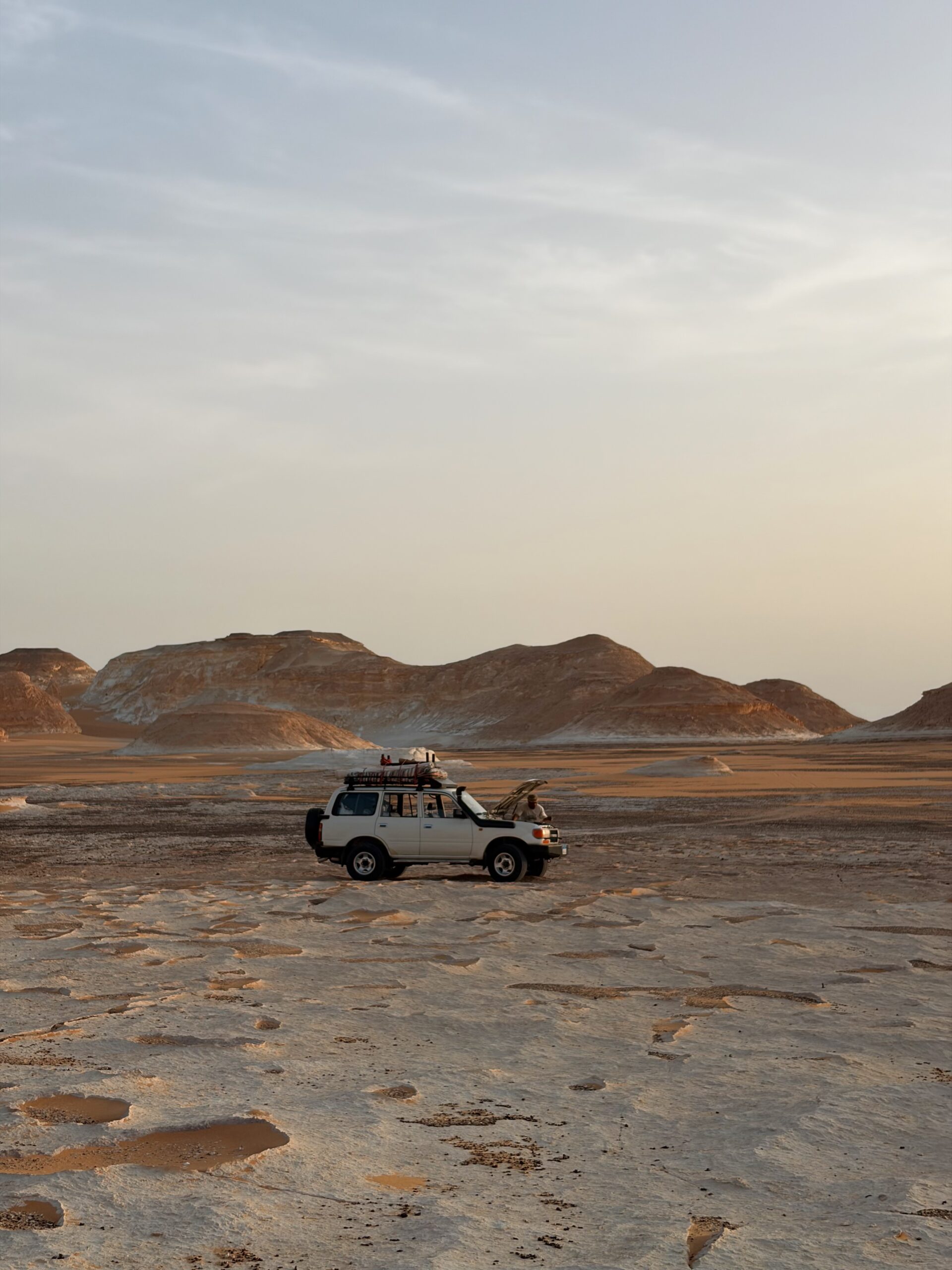
The paved Cairo–Bahariya transfer and the off-road desert section are different driving environments. A standard road vehicle may reach the oasis, but desert tracks, sand and rough ground require a suitable 4×4 and an experienced desert driver.
Ask the company whether the off-road vehicle has been checked before departure and carries the equipment appropriate to its route. The exact kit varies, but planning may include a usable spare tire, jack, tire tools, recovery equipment, adequate fuel, drinking water and a first-aid kit.
Seatbelts should be used whenever fitted. Keep arms, phones and cameras inside the vehicle when it is moving over uneven ground. Do not stand through a roof opening or sit on the exterior for photographs. A dramatic video is not worth a fall or head injury.
Driving style should match the terrain and passenger needs. Tell the driver if you are pregnant, have back or neck problems, are recovering from surgery, or become unwell with repeated jolting. A private itinerary can often reduce aggressive dune driving and allow more breaks, but this must be requested.
The UK notes that road accidents in Egypt are common because of variable conditions, driving behavior and enforcement, and advises against driving outside main cities and resorts at night. A responsible itinerary uses daylight sensibly and does not treat late arrival as a reason to rush.
Navigation and getting separated
The White Desert is visually open but not simple to navigate. Tracks can be unclear, landmarks can look similar, and darkness or dust can remove familiar reference points.
Travelers should not leave camp or a stop without telling the guide. At sunset, agree on how far guests may walk. Carry a headlamp after dark and return before visibility becomes difficult. If you realize you are separated, stop moving, make yourself visible, conserve phone battery and follow the operator’s pre-trip instruction. Randomly walking toward what appears to be a road can increase the search area.
A downloaded map is useful for awareness but does not authorize a route and does not replace a guide. Consumer navigation apps may not reflect security restrictions, soft sand, closed tracks or current checkpoints.
Mobile signal and emergency communication
Phone reception can be intermittent or absent. UK guidance explicitly warns of limited reception in these desert areas. Tell a family member or trusted contact:
- the operator’s name and number;
- the planned departure and return dates;
- the route summary;
- when you expect to regain contact;
- what delay window is normal;
- whom to call if you do not check in.
Do not promise relatives continuous live tracking. Explain in advance that a gap in messaging may be expected. Keep the phone in low-power or airplane mode when there is no signal, and carry a charged power bank.
Satellite communication equipment is regulated in Egypt. Australian advice says approval is needed to bring satellite phones and radio communications equipment into the country. Do not import or operate such equipment without checking the current legal requirements.
Medical risk in a remote environment
The most likely practical problems are often ordinary: dehydration, heat illness, sunburn, cold exposure, stomach upset, an ankle injury, motion sickness or a flare-up of an existing condition. Remoteness makes a manageable problem more serious if it is ignored.
Drink regularly rather than waiting for intense thirst. Use sun protection, a hat and breathable coverage during the day. Keep a warm layer accessible for sunset and early morning. The best time to visit the White Desert guide explains seasonal trade-offs, while the complete White Desert packing checklist covers practical equipment.
Tell the operator before booking if you have:
- heart or respiratory disease;
- severe allergies;
- diabetes;
- epilepsy;
- limited mobility;
- a recent injury or operation;
- pregnancy;
- medication requiring refrigeration;
- a condition that may require urgent treatment.
Carry prescribed medicine in its original packaging and keep essential doses with you, not in a bag that may be inaccessible. Bring a reasonable reserve. If symptoms begin, notify the guide early. Confusion, collapse, severe breathing difficulty, chest pain, seizure, major injury or a serious allergic reaction requires urgent action.
Emergency care and evacuation can take time. Check that travel insurance covers remote desert touring, camping, off-road transport and medical evacuation. “Egypt coverage” alone may not answer the question if a policy excludes regions subject to a government warning.
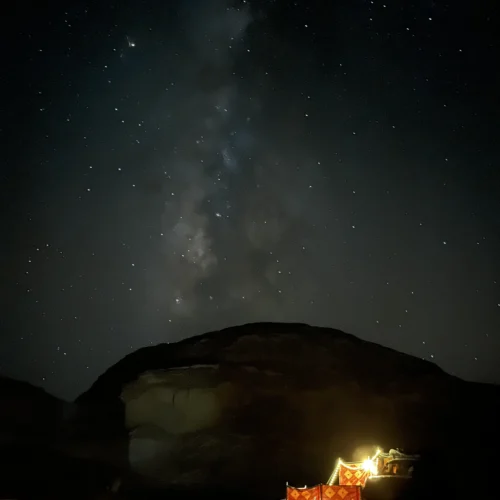
Heat, cold, wind and reduced visibility
Desert does not mean constant heat. Daytime sun can be strong while nights become cold, particularly in cooler months. Wind can make temperatures feel lower and may carry sand into eyes, food, tents and equipment.
The operator may change the campsite or route because of wind. That is responsible judgment, not necessarily a service failure. Guests should avoid pressuring a driver to continue for a photograph when visibility, ground conditions or timing have become unsuitable.
Practical precautions include:
- water accessible inside the vehicle;
- layered clothing rather than one heavy item;
- sunglasses and sun protection;
- closed footwear with reliable grip;
- a scarf or buff for dust;
- a headlamp for camp;
- secure bags and lightweight objects;
- early reporting of headache, nausea, dizziness or unusual weakness.
The White Desert camping guide explains bedding, toilets, hygiene, meals, phone signal and what an overnight really feels like.
Camping safety after dark
Camp should be placed according to authorized access, terrain, wind and guide assessment. Guests need a short orientation: where the toilet area is, where walking is permitted, where the vehicle and emergency supplies are, and how to wake the team.
Keep shoes, a headlamp, water, warm clothing and medicine beside your sleeping place. Do not climb chalk formations or walk into darkness for an isolated photo. Avoid leaving food waste around camp, and shake out shoes before wearing them.
Fire must be managed by the team and fully extinguished. A campfire should never be treated as guaranteed; wind, local rules or environmental practice may make it inappropriate. Keep fabric, bags and children away from flames and cooking equipment.
The White Desert’s formations are fragile. Do not carve, break or collect pieces. Responsible travel protects both visitors and the landscape.
Wildlife and animals
Wildlife encounters are normally limited, but a desert is not a controlled indoor environment. Do not approach, feed or attempt to photograph an animal at close range. Keep food contained and use a light before placing hands or feet near rocks or camp equipment after dark.
If an animal bites or scratches you, wash the wound thoroughly and seek medical advice urgently because rabies exists in Egypt. Tell the guide immediately. Do not handle an apparently tame fox, dog or cat.
Food and drinking water
Confirm that drinking water is included and ask how much is carried. Bring personal backup water appropriate to the trip length, but coordinate with the operator rather than guessing the logistics for a multi-day route.
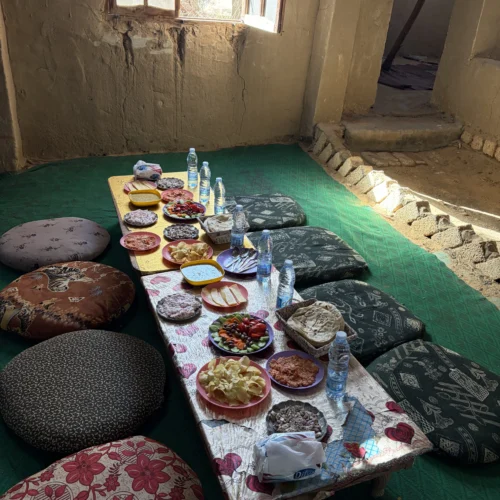
Travelers with allergies, celiac disease, diabetes or other dietary requirements should describe them before departure. A remote camp cannot always correct a misunderstanding after dinner preparation begins. Severe-allergy travelers should carry prescribed emergency medication and explain where it is stored and how it is used.
Use clean hands or sanitizer before eating. Keep food covered from dust and animals. If you develop repeated vomiting, severe diarrhea, fever, blood in stool or signs of dehydration, tell the guide and seek medical assessment.
Solo travelers and women
A solo booking can be private or shared; those are different products. Ask who will be in the vehicle and camp, whether there is a private tent, and whether another guest could be added later.
Women may want to confirm toilet privacy, sleeping arrangements and the guide team before booking. Official advisories acknowledge harassment as a concern in Egypt generally. Choose an identifiable, reviewed company, keep boundaries clear, and contact the operating manager if conduct is inappropriate.
Share the itinerary and operator details with someone you trust. Keep passport, money, phone and medicine under your control. Avoid presenting a broad safety guarantee for “solo female travel”; comfort and risk depend on the specific team, route and arrangements.
Children and older travelers
A White Desert trip can work for families, but the itinerary should reflect age, heat tolerance, toilet needs and the long transfer from Cairo. Children require direct supervision around vehicles, fire, cliffs and formations. Never leave a child alone in a parked vehicle.
For older guests or travelers with reduced mobility, ask about vehicle entry height, walking surfaces, mattress height, toilet setup and the number of transfers. A private trip, slower schedule or hotel night in Bahariya may be more suitable than a fast shared camping circuit.
The dedicated White Desert with kids guide covers age, comfort and planning in more detail.
Photography, drones and restricted subjects
The landscape encourages photography, but location matters. Do not photograph checkpoints, military or police personnel, security facilities, government buildings or sensitive infrastructure. If told to put a camera away, comply immediately.
Drone use is tightly restricted. Australian official advice states that drone use is illegal, and other official sources describe permits or prior authorization requirements. Do not pack a drone based on a forum post or assume a small recreational aircraft is exempt. Obtain written, current authorization from the relevant Egyptian authorities or leave it at home.
The same caution applies to satellite phones, radios and professional filming. Journalists and commercial crews can face separate accreditation and equipment rules.
Scams, pricing and booking verification
The most common booking problems are more likely to involve unclear inclusions, impersonation, last-minute changes or unrealistic pricing than a desert-specific crime.
Before paying:
- Verify the company website, business contact and booking name.
- Request the itinerary, inclusions, exclusions and cancellation terms in writing.
- Confirm whether the trip is private or shared.
- Ask who arranges permits and whether fees are included.
- Confirm the vehicle type and local guide.
- Ask what camping equipment, meals and water are supplied.
- Check the payment recipient matches the verified business arrangement.
- Keep receipts and screenshots of the agreed service.
- Be cautious if someone pressures you to send passport data or payment to an unrelated account.
- Compare the whole product, not only the headline price.
The White Desert tour cost guide explains why private transport, group size, nights, equipment and route change a quote.
Questions to ask your operator
Use this checklist before confirmation:
- Are you a professionally licensed tour company?
- Will an official local guide accompany the desert section?
- Are permits arranged in advance, and what information do you need?
- Is the advertised route currently authorized?
- Is the tour private or shared?
- Which vehicle is used off road?
- Are seatbelts available?
- What water, food, fuel and recovery equipment are carried?
- What first-aid resources are available?
- How does the team communicate when there is no phone signal?
- What is the plan for vehicle failure or illness?
- What happens if weather or an authority closes part of the route?
- Which hospital or clinic would normally be used from this itinerary?
- Does the price include park tickets, permits, meals and camping equipment?
- Can the itinerary accommodate my medical, dietary or mobility requirement?
Clear answers do not guarantee that nothing can happen, but vague or evasive answers are a reason to pause.
Warning signs when choosing a tour
Do not proceed if a seller:
- suggests entering restricted areas without permits;
- encourages you to drive off road alone;
- refuses to identify the operator or guide;
- promises that checkpoints can simply be bypassed;
- offers no written route or inclusions;
- minimizes a disclosed medical condition;
- will not explain the vehicle or camping setup;
- pressures you to ignore your government’s advisory;
- guarantees perfect safety;
- proposes a border-area detour not shown in the itinerary;
- asks you to photograph security sites;
- cannot explain what happens if access changes.
A credible operator should be comfortable saying that a route may be changed or canceled for official, weather or mechanical reasons.
What to do if plans change
Checkpoint decisions, permits, weather, road access and regional events can affect timing. Build flexibility around your return to Cairo, particularly before an international flight. Read the 2-day White Desert itinerary and compare two days versus three days before choosing a schedule.
If authorities restrict access, follow their instruction. Do not ask the driver to find an unofficial alternative. If weather worsens, accept a safer campsite or shortened route. If the vehicle develops a problem, remain with the team unless the guide directs otherwise; the vehicle provides shelter, supplies and a known search point.
Emergency preparation before leaving Cairo
Save these details offline:
- passport copy and insurance certificate;
- insurer’s emergency number and policy number;
- operator and guide contacts;
- accommodation contact in Cairo or Bahariya;
- embassy or consulate contact;
- medical information and medicine list;
- Egyptian emergency numbers;
- a trusted person’s contact.
Australian guidance lists 123 for medical emergencies and 122 for police, while numbers and response capability can vary. In a remote location, the immediate first step is normally to alert the guide, who knows the route and local communication process.
Tell your trusted contact not to treat a missed ordinary message as an immediate emergency when the itinerary includes a known no-signal period. Agree on a specific overdue time and escalation contact.
Travel insurance: ask the right question
Send the insurer the route in writing: Cairo–Bahariya Oasis–Black Desert–White Desert, including 4×4 travel and overnight camping if applicable. Ask whether the policy covers:
- the destination under your government’s current advisory;
- off-road travel as a passenger;
- desert camping;
- medical treatment and evacuation;
- trip cancellation after a new advisory or permit refusal;
- delayed return caused by road or authority restrictions;
- pre-existing conditions, if declared;
- personal equipment used on the trip.
Keep the insurer’s written answer. If the route is excluded, purchasing a general policy does not solve the problem.
Related planning guides: Review the White Desert travel guide, the Cairo-to-White-Desert route, and the White Desert camping guide before booking.
Frequently asked questions
Can I visit the White Desert without a guide?
Official guidance says tourists entering Bahariya, Farafra, the White Desert and Black Desert need advance permits and an official guide. Off-road travel also requires specialist navigation and a suitable vehicle. Do not plan an independent desert crossing.
Is the road from Cairo to Bahariya safe?
It is an established route used for the recognized tourist corridor, but road travel in Egypt carries accident risk and conditions can change. Use a professional driver, allow realistic time, wear a seatbelt and avoid pressuring the driver to speed. Check current official guidance before travel.
Are permits included in a tour?
They may be included, but never assume. Ask the operator who arranges them, what passenger details are required, whether fees are included and when approval is confirmed.
Is phone signal available?
Not reliably. Official UK guidance warns of limited reception. Prepare for offline periods, share the route before departure and carry a power bank.
What if I become ill in the desert?
Tell the guide immediately. Medical facilities and emergency response are limited in remote areas, so early action matters. Carry medicine, disclose important conditions and obtain insurance that includes medical evacuation.
Is White Desert camping safe for children?
It can be appropriate for some families with a modified itinerary and close supervision, but age, heat, long transfers, basic toilets and sleeping arrangements matter. Discuss the child’s needs before booking.
Is it safe for a solo woman?
No universal guarantee is responsible. Verify the company, ask who will be in the vehicle and camp, request private sleeping arrangements if needed, share the itinerary and retain control of documents and phone.
Can I fly a drone in the White Desert?
Do not assume so. Drone and communications equipment are restricted in Egypt, and photography near security sites is sensitive. Obtain current written authorization from the relevant authorities or do not bring the drone.
Can the operator guarantee the exact route?
No responsible operator should guarantee access regardless of permits, authorities, weather or road conditions. A defined plan plus a safe contingency is better than an inflexible promise.
Is the White Desert close to the Libyan border?
The standard Bahariya–White Desert tourist route is not permission to approach border areas. Egyptian border regions have much stronger warnings and military restrictions. Stay on the authorized itinerary.
Final assessment
The White Desert is not a casual self-drive destination. It is a remote, regulated journey where the quality of planning matters. The safest practical approach is to use a professionally licensed company and official local guide, arrange permits in advance, remain within the authorized route, prepare for weak phone reception and limited medical access, and follow current official advice.
The honest answer to “Is the White Desert Egypt safe?” is conditional: organized travel can manage many foreseeable risks, but it cannot remove every risk or override a government advisory. Check again close to departure because the information on this page can change.
Official sources checked
- UK FCDO: Egypt regional risks
- UK FCDO: Egypt safety and security
- US Department of State: Egypt Travel Advisory
- Australian Smartraveller: Egypt
- Experience Egypt: Natural Wonders in Al-Bahariyya
- Experience Egypt: Desert Excursions
To ask about permits, the current route, camp arrangements and a personalized White Desert quote, contact Elzaghandi Travel on WhatsApp.