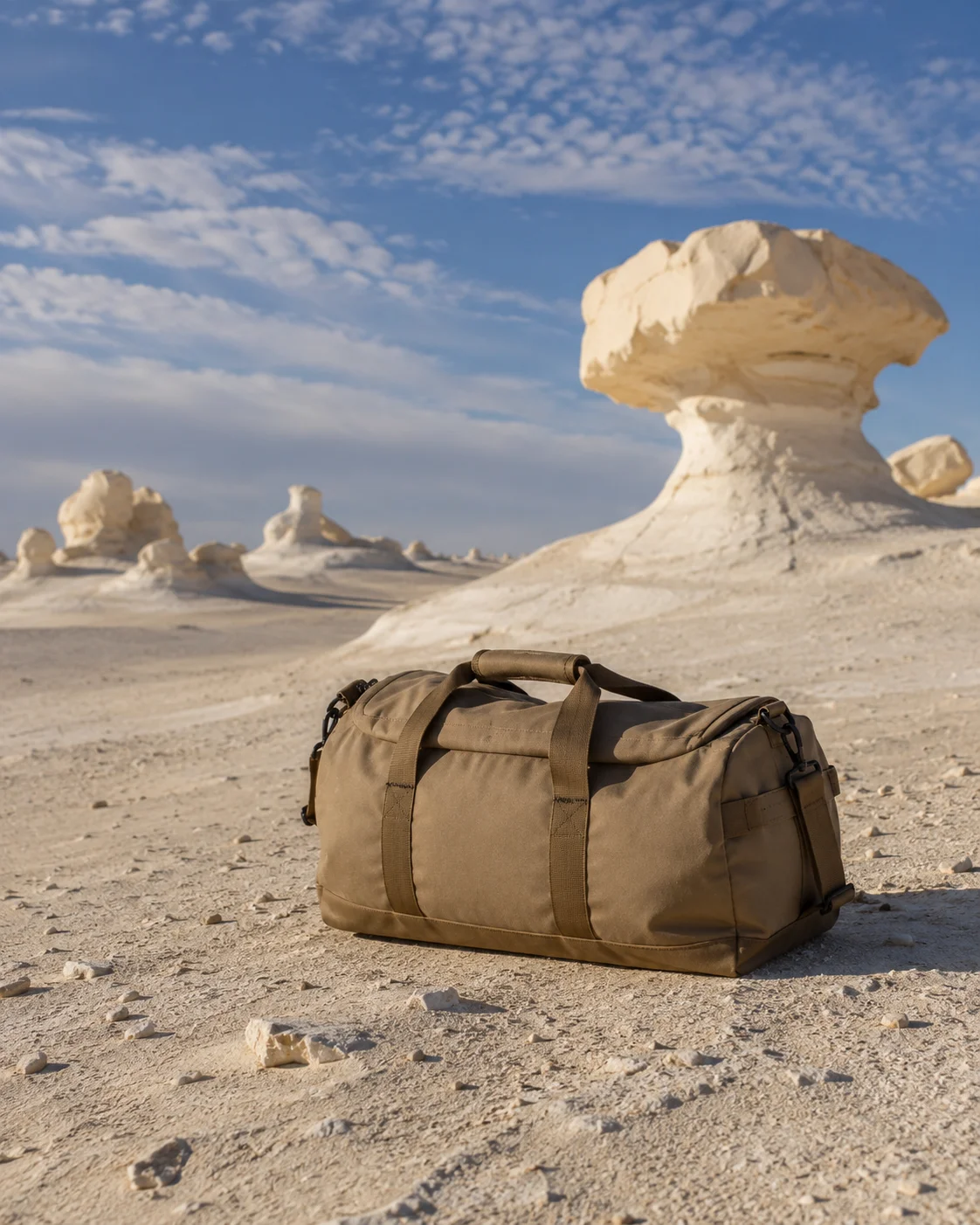
Packing for the White Desert is simpler when you separate personal essentials from equipment supplied by the tour. For Elzaghandi Travel’s published overnight routes, the operator provides camping equipment, mattress, pillow, sleeping bag, blanket, meals and drinking water. Travelers should bring layered clothing, sun and dust protection, personal medication, hygiene items, a headlamp, power bank and a small overnight bag.
The main packing mistake is preparing only for daytime heat. Dry desert conditions can cool rapidly after sunset, and wind can make the camp feel colder.
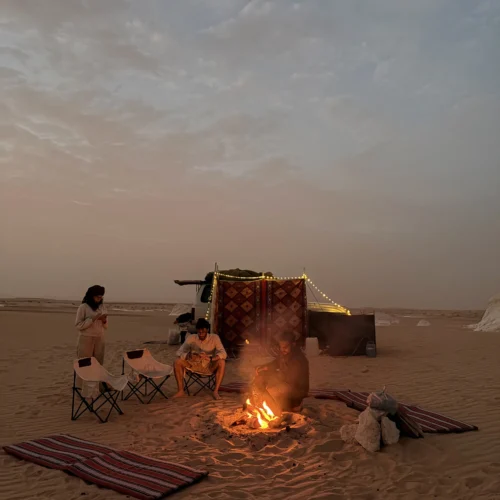
Essential checklist
Documents and money
- passport or required identification;
- offline copy of the booking;
- travel-insurance details;
- emergency contacts;
- small amount of Egyptian cash;
- payment confirmation;
- list of allergies and medication.
Clothing
- breathable daytime shirt;
- comfortable trousers;
- warm fleece or mid-layer;
- wind-resistant jacket;
- sleep clothes;
- warm socks;
- underwear and one spare set;
- hat;
- scarf or buff;
- closed walking shoes.
Personal protection
- sunscreen;
- sunglasses;
- lip balm;
- reusable water bottle;
- tissues;
- hand sanitizer;
- personal medication;
- basic personal first aid;
- insect repellent if personally needed.
Camp and electronics
- headlamp or torch;
- power bank;
- charging cables;
- earplugs;
- compact towel;
- sealable waste bags;
- camera and protection;
- spare batteries or storage cards.
What Elzaghandi Travel provides
The live two-day tour lists:
- full camping equipment;
- personal mattress;
- pillow;
- sleeping bag;
- blanket;
- lunch, dinner and breakfast;
- water, soft drinks and juice;
- 4×4 transport;
- permits and park tickets.
The three-day route provides corresponding meals and two camping nights.
Confirm the current list for your date. Do not bring a sleeping bag automatically unless you prefer your own or the operator recommends it.
Choose the right bag
Use a small soft overnight bag or backpack. A hard suitcase is awkward around a loaded 4×4 and camp.
Ask whether large luggage can be stored in Bahariya. Keep valuables, documents, medication and electronics with you.
Organize the overnight bag into:
- daytime access pouch;
- evening clothing;
- hygiene bag;
- electronics pouch;
- sleep clothing kept clean and dry.
Clothing strategy: layers, not one heavy item
Base layer
Choose breathable clothing that covers skin without trapping excessive heat. Long sleeves can protect from sun and dust.
Warm mid-layer
A fleece or insulated layer helps after sunset. Put it on before becoming cold.
Wind layer
A light wind-resistant jacket is often more useful than a bulky fashion coat. Wind changes perceived temperature and camp comfort.
Sleep clothing
Keep sleep clothes separate from dusty daytime items. Warm socks and a comfortable long layer improve winter nights.
What not to wear
Avoid impractical sandals as your only shoes, restrictive clothing, delicate fabrics and outfits that cannot handle dust.
Footwear
Closed trainers or light walking shoes with grip suit most stops. The classic route requires limited walking but uses sand, rock and uneven ground.
Bring sandals only as optional camp footwear. Shake footwear before putting it on in the morning and follow the guide’s camp advice.
If swimming at the El Hez spring is planned, carry footwear that can get wet.
Sun protection
Desert sun remains strong even in cool weather. Pack:
- broad-spectrum sunscreen;
- sunglasses with reliable UV protection;
- hat with coverage;
- lip balm;
- scarf for neck and face;
- breathable long sleeves.
Reapply sunscreen after sweating or swimming. White formations and open terrain can increase glare.
Dust and wind protection
A scarf or buff can cover the nose and mouth briefly during wind. Sunglasses protect the eyes better than leaving them exposed.
Contact-lens users may prefer glasses when dust is active. Carry appropriate lens supplies and never handle lenses with sandy hands.
Protect electronics in zipped bags. Avoid opening camera bodies during wind.
Water and food
The live tours include water and meals, so travelers should not carry the whole expedition supply. Bring a reusable bottle and a small familiar snack for the road.
Tell the operator before departure about:
- allergies;
- vegetarian or vegan diet;
- diabetes;
- gluten or other intolerance;
- religious requirements;
- children’s food needs.
Remote food cannot be replaced as easily as a Cairo restaurant order.
Personal medication
Carry medication in the original labeled packaging when practical. Bring enough for the trip plus a delay buffer.
Keep critical medication in the day bag, not stored away in another vehicle. Ask a healthcare professional about heat-sensitive medicine and personal fitness.
Carry a written list of:
- medication names;
- doses;
- allergies;
- relevant conditions;
- emergency contact.
Do not depend on buying specialized medicine in Bahariya or the desert.
Hygiene and toilet supplies
A mobile camp may not have a fixed bathroom or shower. Pack:
- tissues or toilet paper;
- unscented wipes;
- hand sanitizer;
- toothbrush and small toothpaste;
- menstrual products;
- personal washing cloth;
- sealable bags;
- compact towel.
Take waste out with the group. Do not bury wipes or leave tissues.
Headlamp
A headlamp leaves both hands free and is more useful than a phone flashlight. Use a low or red-light setting around photographers and other campers.
Bring spare batteries if needed. Do not walk far from camp alone because formations can look similar at night.
Power and connectivity
Signal may be limited or absent. The FCDO notes limited phone reception in the White Desert and related Western Desert tourist areas.
Before leaving Bahariya:
- charge the phone;
- download maps and documents;
- save the guide’s number;
- tell family when you expect to reconnect;
- switch unnecessary apps off;
- use airplane mode when appropriate.
Carry a power bank sized for the trip. Three days requires more capacity than two.
Camera packing
Basic phone photography
Bring a power bank, lens cloth and protective case.
Camera
Bring:
- camera body;
- selected lenses;
- spare battery;
- memory cards;
- lens cloth and blower;
- sealed protective bag;
- tripod for night work;
- remote release if used.
Limit lens changes during wind. Never put equipment directly on sand.
The detailed guide is White Desert Stargazing and Photography.
Packing by season
October and November
Bring light daytime clothing, warm evening layer and wind jacket. Do not assume autumn nights stay warm.
December to February
Add thermal sleep layers, warm hat, thicker socks and insulated jacket. Ask whether an extra blanket is available.
March and April
Use adaptable layers and prepare for possible wind and dust.
Hotter months
Bring maximum sun protection and discuss whether the itinerary is recommended. Personal packing cannot replace operator heat planning.
Read Best Time to Visit the White Desert Egypt.
Two-day versus three-day packing
For two days, one spare set and compact hygiene supplies are normally sufficient.
For three days, add:
- another underwear and sock set;
- more medication;
- larger power reserve;
- additional storage cards;
- extra hygiene supplies;
- a second waste bag.
Do not double every item. Communal equipment and food remain with the team.
Packing for children
Parents should add:
- familiar snacks;
- child medication;
- sun hat;
- warm sleep layers;
- spare clothing;
- wipes and waste bags;
- comfort item;
- child-safe bottle;
- car-sickness supplies;
- required restraint confirmed with the operator.
Do not assume adult sleeping bags fit small children appropriately. Ask about bedding and vehicle seating.
Read White Desert Egypt with Kids.
Packing for older travelers or mobility needs
Useful additions may include:
- walking pole if normally used;
- seat cushion;
- organized medication;
- easy-entry footwear;
- additional warm layer;
- portable medical device and power plan;
- written health summary.
Explain needs before booking. Equipment cannot solve every accessibility issue; vehicle entry and toilet setup must be discussed.
Swimming items
If the route includes a spring and swimming is available:
- swimsuit;
- quick-drying towel;
- wet-item bag;
- water-friendly footwear;
- dry change of underwear.
Do not wear wet clothing into the cold evening. Swimming remains subject to access and timing.
Women’s practical packing
Bring preferred menstrual products because the exact brand may not be available. Use sealable disposal bags and take waste out.
Loose, breathable coverage is practical for sun and camp. A scarf serves as dust and warmth protection.
Solo women should retain documents, phone and medication in their personal bag just as any solo traveler should.
What the operator should carry
Travelers do not need to inspect every communal item, but they can ask whether the team carries:
- sufficient drinking water;
- food and cooking equipment;
- camp equipment;
- vehicle recovery equipment;
- communication arrangements;
- basic emergency supplies;
- permit documents.
The operator—not each guest—plans expedition logistics.
What not to pack
Avoid:
- excessive hard luggage;
- valuable jewelry;
- glass containers;
- loose plastic bags;
- multiple unnecessary shoes;
- delicate formal clothing;
- drones without explicit legal confirmation;
- loud speakers;
- disposable items that create waste;
- alcohol without prior discussion;
- tools for collecting rocks or fossils.
Do not remove natural material from protected areas.
Drones
Never assume a drone is permitted. Egypt has strict rules concerning aerial equipment, import and photography. Obtain authoritative permission before traveling; an operator’s casual message is not a substitute for legal authorization.
If permission is absent, leave the drone at home.
Alcohol
The live tour lists alcoholic drinks as not included and notes that travelers can discuss purchasing before the trip. Confirm rules and transport before bringing any.
Alcohol increases dehydration and can impair judgment. It should never interfere with guide instructions or camp safety.
Responsible packing
Reduce waste by using:
- refillable bottle;
- reusable containers;
- rechargeable batteries;
- minimal packaging;
- solid or compact toiletries;
- reusable scarf;
- durable bags.
Pack out everything brought in. Do not leave organic waste, cigarette ends or tissues.
Night-before checklist
- confirm pickup time and exact location;
- charge devices;
- download documents;
- pack medication;
- check weather and wind;
- separate warm layers;
- fill the personal water bottle;
- inform family of limited signal;
- verify dietary needs were acknowledged;
- remove unnecessary luggage;
- sleep early.
The road to Bahariya begins in the morning and lasts four to five hours. The route guide is How to Get to the White Desert from Cairo.
Morning-of-departure checklist
Wear comfortable road clothing and closed shoes. Keep passport, phone, medication and water within reach.
Do not pack the jacket at the bottom of stored luggage. Temperature and wind can change by afternoon.
Eat breakfast unless another arrangement is confirmed.
At Bahariya vehicle change
Before entering the 4×4:
- move required items into the day bag;
- confirm stored luggage;
- use available bathroom;
- check phone charge;
- secure water;
- tell the guide about urgent medical needs;
- verify warm layers are accessible.
The vehicle may be tightly loaded with communal supplies, so organized luggage improves comfort.
At camp
After arrival:
- identify your sleeping equipment;
- keep clean clothes sealed;
- secure loose objects;
- locate the toilet arrangement;
- learn safe walking limits;
- prepare the headlamp;
- add layers before cold develops;
- store food as instructed;
- keep camera bags closed.
The full overnight explanation is in White Desert Egypt Camping Guide.
Printable master checklist
Must bring
- identification;
- medication;
- insurance details;
- phone;
- power bank;
- warm layers;
- sun protection;
- closed shoes;
- headlamp;
- hygiene items;
- reusable bottle.
Strongly recommended
- scarf or buff;
- lip balm;
- compact towel;
- earplugs;
- waste bags;
- camera protection;
- spare socks;
- small snack;
- swimsuit when relevant.
Confirm before bringing
- sleeping bag;
- tent;
- extra blanket;
- drone;
- alcohol;
- large suitcase;
- specialist medical device;
- child seat;
- trekking gear.
Usually unnecessary on the standard tour
- cooking equipment;
- expedition water supply;
- large tent;
- heavy hiking boots;
- multiple formal outfits;
- rock-collecting tools.
Packing mistakes
Bringing only summer clothes
The camp can become cold after sunset.
Carrying too much
Large luggage reduces 4×4 space and creates camp difficulty.
Storing medication away
Keep it accessible.
Relying on phone light
A headlamp is safer and preserves the battery.
Forgetting wind protection
A jacket and scarf improve comfort.
Packing equipment already supplied
Confirm before buying or carrying it.
Ignoring waste
Bring sealable bags.
Treating camera dust as an afterthought
Protect gear before the wind begins.
A minimal packing list for a two-day trip
If traveling light, take:
- small backpack;
- one daytime outfit;
- one clean sleep layer;
- fleece;
- wind jacket;
- warm socks;
- closed shoes;
- hat and scarf;
- sunscreen and sunglasses;
- medication;
- compact hygiene kit;
- headlamp;
- phone, cable and power bank;
- bottle;
- compact towel;
- camera.
The operator supplies the listed camp setup and meals.
Related preparation guides: Check the White Desert camping guide, the best time to visit, and the stargazing and photography guide before finalising your bag.
Turn the checklist into a trip: Review the White Desert destination and the live 2 Days / 1 Night White Desert Adventure before finalizing what to pack.
Frequently asked questions
Do I need my own sleeping bag?
Not for the published Elzaghandi Travel routes, which list a sleeping bag. Confirm your booking.
Is a tent provided?
The FAQ says tents and camping equipment are provided. Ask whether the arrangement is private, shared or open.
How cold does it get?
Conditions vary by season, wind and camp. Check the forecast and bring layers.
Should I bring hiking boots?
Heavy boots are usually unnecessary for the classic route. Closed shoes with grip are suitable for most travelers.
Can I bring a suitcase?
Ask about storage in Bahariya. Use a smaller overnight bag in the 4×4.
Is water provided?
The published tours list water and other drinks. Carry a personal refillable bottle.
What should photographers bring?
Tripod, batteries, cards, lens-cleaning tools and sealed dust protection.
Do I need cash?
Carry a modest amount for personal expenses and optional tips, while confirming payment arrangements.
Should I bring toilet paper?
Yes. Fixed facilities should not be assumed.
Can I charge at camp?
Do not depend on it. Carry a power bank.
What should children bring?
Warm layers, sun protection, familiar snacks, medication, spare clothes and comfort items.
Can I bring a drone?
Only with confirmed legal authorization. Do not assume permission.
Sources and review date
This checklist uses Elzaghandi Travel’s live itineraries and FAQ, plus:
- Experience Egypt: Natural Wonders and safari logistics
- UK FCDO: Egypt regional risks
- UK FCDO: Egypt health advice
Last reviewed: July 17, 2026. Confirm supplied equipment and weather-specific advice before departure.
Request the current equipment list and a White Desert quote.
Winter-specific packing module
For a winter camp, add more than one thin layer instead of relying on a single heavy coat:
- thermal or warm base layer;
- fleece;
- insulated jacket;
- wind shell;
- warm hat;
- two pairs of warm socks;
- gloves if your hands become cold easily;
- clean sleep layer;
- optional personal liner if approved.
Keep the next morning’s clothes inside a closed bag. Clothing left exposed can collect dust and feel unpleasant.
Ask whether the sleeping bag is appropriate for the predicted conditions and whether an extra blanket can be loaded. Do not wait until the camp is established to reveal that a traveler is particularly sensitive to cold.
Hot-weather packing module
If the operator confirms a hotter-season journey, add:
- additional sun-protective shirt;
- wide-brim hat;
- high-protection sunscreen;
- electrolyte product if medically appropriate;
- cooling cloth;
- extra personal bottle;
- medication storage discussed with a professional.
Packing cannot make an unsafe heat schedule acceptable. The operator must confirm timing, carried water and shade.
Medication packing system
Use three layers:
- Immediate pouch: medicine required during the road or 4×4 journey.
- Overnight pouch: regular evening and morning doses.
- Delay reserve: additional supply for an unexpected return delay.
Keep written instructions with the medication. If refrigeration or precise temperature control is required, obtain professional advice and confirm whether the tour can provide it.
Camera bag organization
Separate the camera bag into:
- ready camera and one main lens;
- batteries in a closed pouch;
- cards in a waterproof case;
- blower and cloth;
- tripod secured externally or separately;
- sealed bag for dust events.
The best protection strategy is reducing the number of times the bag opens. Decide the likely lens before leaving the vehicle.
Items to leave in Cairo or store in Bahariya
Leave or store:
- formal clothes;
- heavy souvenir luggage;
- large toiletry bottles;
- laptop unless genuinely essential;
- expensive jewelry;
- unnecessary cash;
- multiple shoe pairs;
- fragile shopping bags;
- documents not required on the trip.
Ask who controls stored luggage and when it will be returned. Keep passports, medication and valuables with you unless the operator gives a secure documented alternative.
Packing audit: can you find each item in darkness?
Before departure, test whether you can locate these without emptying the bag:
- headlamp;
- jacket;
- medication;
- tissues;
- phone;
- water;
- glasses;
- sleep socks.
Camp organization matters because light is limited and other travelers may already be sleeping.
Final 60-second checklist
Before closing the bag, say yes to each statement:
- My documents and medication are accessible.
- I have sun protection.
- I have a warm layer and wind layer.
- I have clean sleep clothing.
- I have closed shoes.
- My phone and power bank are charged.
- I have a headlamp.
- My hygiene and waste supplies are packed.
- My camera is protected from dust.
- The operator confirmed bedding, meals and water.
- My large luggage plan is clear.
- My dietary and medical needs were acknowledged.
If all twelve are confirmed, you are prepared without carrying unnecessary expedition equipment.