Last reviewed: 4 October 2026.
Cairo is not one attraction and it is not only the city beside the pyramids. A well-planned visit can combine Pharaonic monuments at Giza and Saqqara, world-class museum collections, Islamic Cairo, Coptic heritage, Nile evenings, historic markets and modern neighborhoods without turning every day into an exhausting cross-city transfer.
This Cairo Egypt travel guide is designed for first-time visitors who want to understand how the city fits together: how many days to stay, what to see first, how to combine Cairo with Giza, where the main archaeological areas are, how traffic affects planning, what to wear, how to structure two, three or four days, and when a private day tour is more efficient than moving independently between distant sites.
For current private experiences, browse the Cairo & Giza destination page. For a quick attractions overview, see our things to do in Cairo guide.
Cairo at a glance
- Best for: ancient history, museums, Islamic architecture, Coptic heritage, food, Nile views and urban culture.
- Minimum stay: 2 full days for highlights.
- Better first visit: 3–4 full days.
- Core areas: Giza, Historic Cairo, Downtown, Old Cairo, Mokattam and the southern archaeological route toward Saqqara, Memphis and Dahshur.
- Main planning challenge: traffic and the physical distance between attractions.
- Best strategy: group sights geographically instead of choosing attractions only by popularity.
Is Cairo worth visiting?
Yes, and not only because of the pyramids. Cairo and Giza together contain some of the most important archaeological and cultural sites in Egypt, while the modern city adds another layer that cannot be experienced at isolated temple sites elsewhere in the country.
The official Experience Egypt portal divides Cairo and Giza broadly into three visitor experiences: Historic Cairo, Giza and ancient wonders, and Downtown/city breaks. That is a useful way to plan because each zone has a different character.
Giza is the main Pharaonic landscape. Historic Cairo contains Islamic and Coptic monuments. Downtown provides a modern urban base and access to central museums, restaurants and the Nile.
How many days do you need in Cairo?
Two days can cover the essential first-time sights if you accept a full schedule.
Three days is much better because it allows one day for Giza and GEM, one for Saqqara/Memphis/Dahshur, and one for Islamic/Coptic Cairo.
Four days gives space for slower museum visits, evening experiences, markets and a more relaxed pace.
Suggested 2-day Cairo itinerary
Day 1: Giza + Grand Egyptian Museum
- Giza Pyramids near opening.
- Great Sphinx and panoramic viewpoint.
- Lunch.
- Grand Egyptian Museum.
Use the Grand Egyptian Museum & Pyramids Day Tour if you want this arranged as one private day.
Day 2: Historic Cairo + Nile evening
- Saladin Citadel.
- Muhammad Ali Mosque.
- Al-Muizz Street or Khan el-Khalili.
- Optional St. Simon Cave Church.
- Nile dinner cruise in the evening.
Suggested 3-day Cairo itinerary
Day 1: Giza Pyramids + GEM.
Day 2: Saqqara + Memphis + Dahshur.
Day 3: Citadel + Historic Cairo + Old Cairo/Mokattam + Nile evening.
This is the strongest first-time structure if archaeology is your main interest.
Suggested 4-day Cairo itinerary
Add a fourth day for slower exploration:
- extra museum time;
- Al-Muizz Street and surrounding monuments;
- Khan el-Khalili without rushing;
- Coptic Cairo;
- Downtown architecture and cafés;
- a second evening on the Nile or in Historic Cairo.
Giza Pyramids
The Giza Plateau is the obvious first priority for most visitors. The site contains the pyramids of Khufu, Khafre and Menkaure, the Great Sphinx and associated funerary complexes.
Arrive early, especially in warm months. A balanced first visit takes about three to five hours depending on whether you enter a pyramid.
Use our Giza Pyramids visitor guide for detailed ticket and planning information.
Grand Egyptian Museum
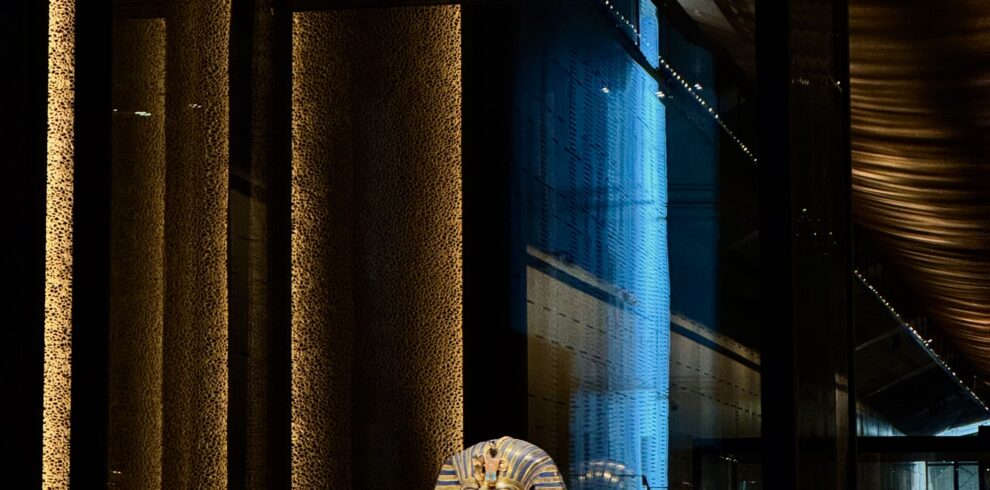
The Grand Egyptian Museum near Giza is now one of the central attractions in Greater Cairo. The official museum visitor information currently includes the Tutankhamun Galleries, Main Galleries, Grand Hall, Grand Staircase and Khufu’s Boats Museum within standard admission.
Do not treat GEM as a short add-on. Plan at least several hours if museum collections matter to you.
See our Grand Egyptian Museum guide.
Saqqara, Memphis and Dahshur
This southern archaeology route tells the story behind the Giza pyramids.
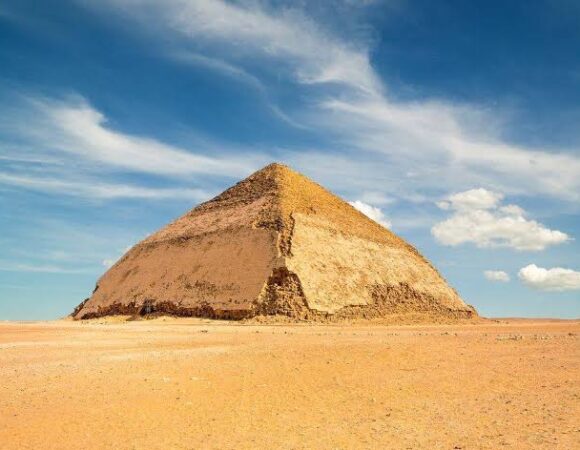
At Saqqara, Djoser’s Step Pyramid marks a major breakthrough in monumental stone construction. At Memphis, you see remains connected with the ancient capital that served these cemetery landscapes. At Dahshur, Sneferu’s Bent and Red Pyramids show the transition toward the true smooth-sided pyramid.
Read the Saqqara guide, Memphis guide and Dahshur guide.
Historic Cairo and Al-Muizz Street
Historic Cairo is one of the richest concentrations of Islamic architecture in the world. The Ministry describes Al-Muizz Street as an open-air museum lined with monuments from the Fatimid through later Islamic periods.
The street runs through a living urban district rather than an isolated archaeological park. Historic buildings, markets, workshops and everyday city life overlap.
Allow time to walk rather than moving only by car between individual monuments.
Khan el-Khalili
Khan el-Khalili is part market, part urban landmark and part social experience. It is best enjoyed with realistic expectations: it is busy, commercial and tourist-facing, but it also sits inside a historic district with deep layers of Cairo’s trade and craft culture.
Visit for browsing, tea, street atmosphere and its connection with Al-Muizz and al-Hussein areas rather than expecting a quiet museum experience.
Saladin Citadel and Muhammad Ali Mosque
The Citadel stands on the Muqattam Hills and served as one of Cairo’s most important defensive and political sites for centuries. The Muhammad Ali Mosque is the most recognizable monument inside the complex.
The mosque is included within the Citadel visit and is known for its Ottoman-inspired architecture, central dome and panoramic city setting.
Elzaghandi Travel’s Citadel & St. Simon Cave Church Day Tour pairs the Citadel with a very different side of Cairo.
St. Simon Cave Church
The Monastery of Saint Simon the Tanner in the Mokattam area is one of Cairo’s most unusual religious sites. The church complex is carved into the mountain and differs dramatically from both Pharaonic and Islamic monuments.
It works especially well on the same day as the Citadel because of geography.
Coptic Cairo
Old Cairo contains important Christian heritage, including historic churches and sites linked to the long history of Egypt’s Coptic community.
For first-time visitors, the district provides another layer of the city’s religious history beyond mosques and ancient Egyptian monuments.
Nile dinner cruise
An evening cruise is an easy way to shift from sightseeing to entertainment. Elzaghandi Travel’s current Nile Dinner Cruise includes private hotel transfers, an open buffet and live entertainment.
Treat it as an evening dining experience rather than a historical sightseeing tour.
Where to stay in Cairo
The best area depends on your priorities.
Giza
Useful for early pyramid access and some views, but less central for Historic Cairo and Downtown.
Downtown / central Cairo
Good for urban atmosphere, Nile access and central positioning, though traffic still matters.
Zamalek
Often chosen for a quieter island setting, restaurants and access to central Cairo.
New Cairo
Modern and convenient for some travelers and airport-side needs, but farther from many historic attractions.
Do not choose a hotel only by distance shown on a map. Cairo traffic means a theoretically short route can take much longer at peak times.
Getting around Cairo
Private driver, tour vehicle, taxi and app-based ride services are the most common visitor options. Metro travel can be useful for some central routes, but it does not replace road transport for sites such as Giza, Saqqara and Dahshur.
For archaeology days, private transport is often more efficient because the sites are spread across a wide area.
How Cairo traffic affects your itinerary
Traffic is one of the biggest planning variables. Avoid building an itinerary that requires crossing the city repeatedly.
Group attractions geographically:
- Giza + GEM;
- Saqqara + Memphis + Dahshur;
- Citadel + Mokattam;
- Al-Muizz + Khan el-Khalili;
- Old Cairo + central Cairo.
This simple rule can save more time than choosing an earlier lunch or shorter museum visit.
Best time to visit Cairo
Cooler months generally make outdoor archaeological sites more comfortable. Autumn through spring is easier for Giza, Saqqara and Historic Cairo walking.
Summer travel is still possible, but archaeological days should start early and include hydration, sun protection and indoor breaks.
What to wear in Cairo
Comfortable, modest clothing works well for most sightseeing days.
- breathable tops;
- comfortable trousers or long skirts;
- walking shoes;
- sun hat for outdoor sites;
- light scarf;
- warmer layer in cooler winter evenings.
For mosques, dress respectfully and follow current footwear or covering requirements.
Money and payments
Carry some Egyptian cash for small purchases, tips and places where card payment is unavailable. Larger hotels and many major attractions use electronic payment, but do not assume every vendor accepts cards.
Use official ticket counters and official online ticketing platforms for major attractions.
Food and water
Cairo has everything from street food to fine dining. Start with places that maintain good hygiene and choose bottled or otherwise reliably treated water.
If you have allergies or dietary restrictions, communicate them clearly before organized tours and restaurant stops.
Cairo with children
The strongest family strategy is variety rather than trying to make children tolerate long sequences of similar monuments.
A good family day may combine:
- one major outdoor site;
- a museum or indoor break;
- lunch;
- a short visually engaging stop;
- an evening with limited walking.
Giza + GEM can work especially well because the day moves from outdoor monuments to an indoor museum.
Older travelers and mobility
Cairo can be demanding because of steps, uneven archaeological ground, traffic and long days.
Private transport allows the itinerary to be adapted around vehicle access, walking distances and rest breaks.
Do not assume that entering pyramid interiors is essential. Exterior visits often provide the greater historical value with far less physical strain.
Solo travelers
Cairo is highly visitable solo, but a private guide can add significant value on archaeology-heavy days where the challenge is not only transportation but understanding context.
For free time, use normal big-city awareness: keep valuables controlled, use trusted transport and avoid accepting unclear unsolicited services.
Common planning mistakes
Trying to see Giza, Saqqara and Islamic Cairo in one day
The distances and traffic make this exhausting.
Underestimating GEM
It is a major museum, not a one-hour stop.
Ignoring geography
Group nearby attractions together.
Scheduling a flight after a full sightseeing day
Traffic makes exact return timing unreliable.
Visiting outdoor sites at midday in summer
Start early.
Spending every evening in the hotel
Cairo’s Nile, Historic Cairo and food scene are part of the experience.
Frequently asked questions
How many days do I need in Cairo?
Two days covers highlights; three to four days gives a much better first visit.
Can I see the pyramids and GEM in one day?
Yes. Their proximity makes this one of the most logical Cairo/Giza day combinations.
Should I visit Saqqara if I already saw Giza?
Yes. Saqqara explains the earlier development of pyramid building and offers different tombs and texts.
Is Cairo walkable?
Individual districts can be explored on foot, but major visitor areas are too spread out to connect only by walking.
What is the best area to stay?
It depends on your priorities. Giza suits early pyramid access; central Cairo suits urban exploration; other neighborhoods offer different trade-offs.
Is a private guide worth it?
For archaeology-heavy days, a knowledgeable guide can significantly improve both context and logistics.
Can I do a desert trip from Cairo?
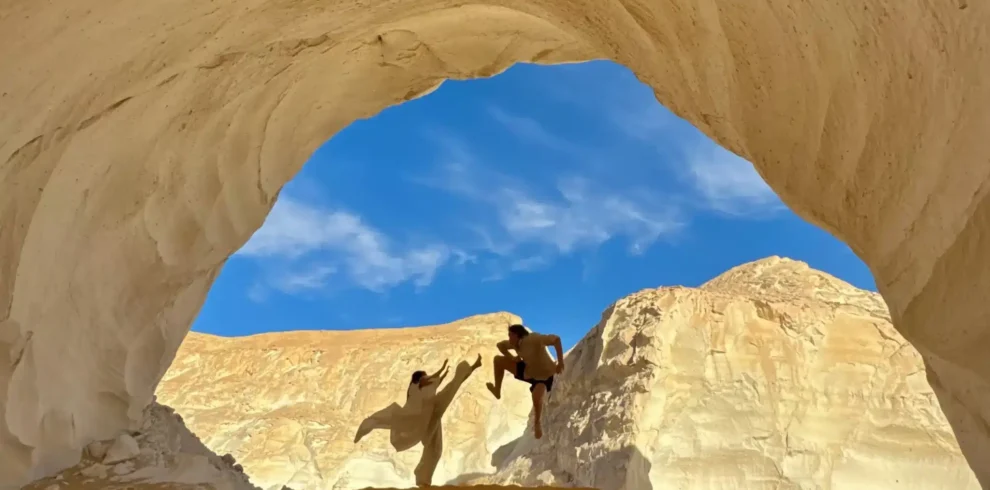
Yes. Fayoum works as a day trip, while Bahariya and the White Desert usually need at least two days.
Plan your Cairo trip
Use the Cairo & Giza destination page to compare current day tours. If your plans combine Cairo with Fayoum, Bahariya, Siwa or a longer Western Desert route, use the custom trip form.
Sources and further reading